+86-18050089566(WhatsApp/wechat)


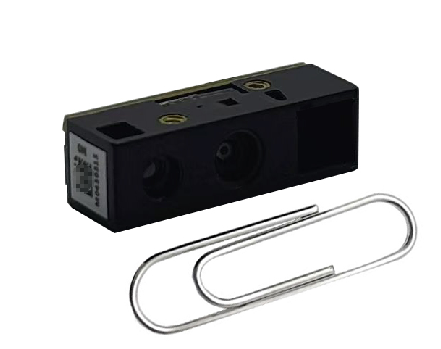
The S70P-F is a 21.5 x 7 x 10.5 mm 2D barcode scan engine with a 1280 x 800 fast exposure imager, USB HID and TTL UART, reading paper, screen and DPM codes.
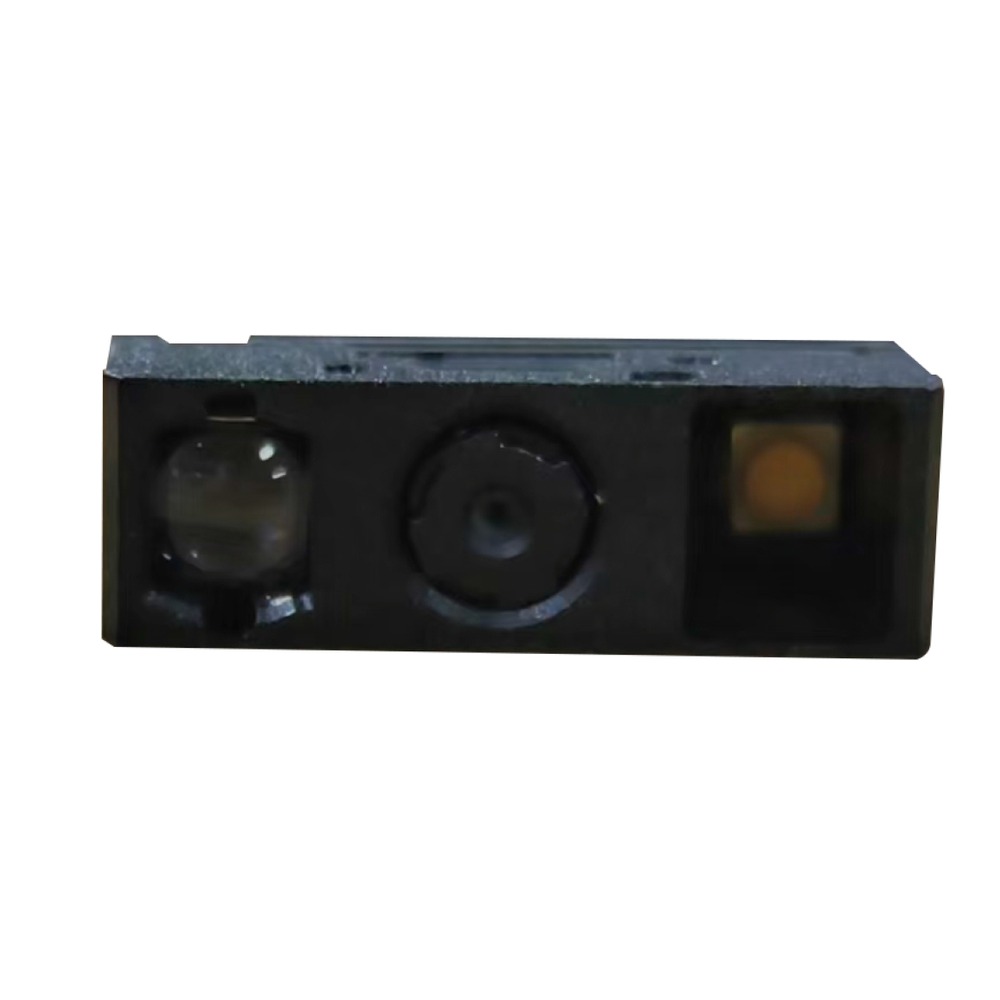
The EDOO MF27 is an embedded 2D barcode scan engine for kiosks, turnstiles and OEM device integration, with COM, PS/2 and USB interfaces.
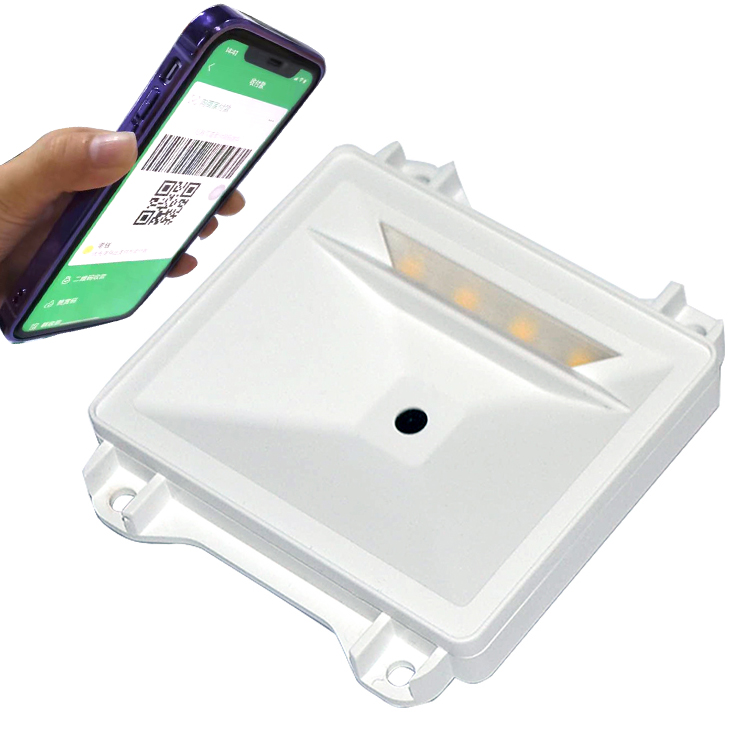
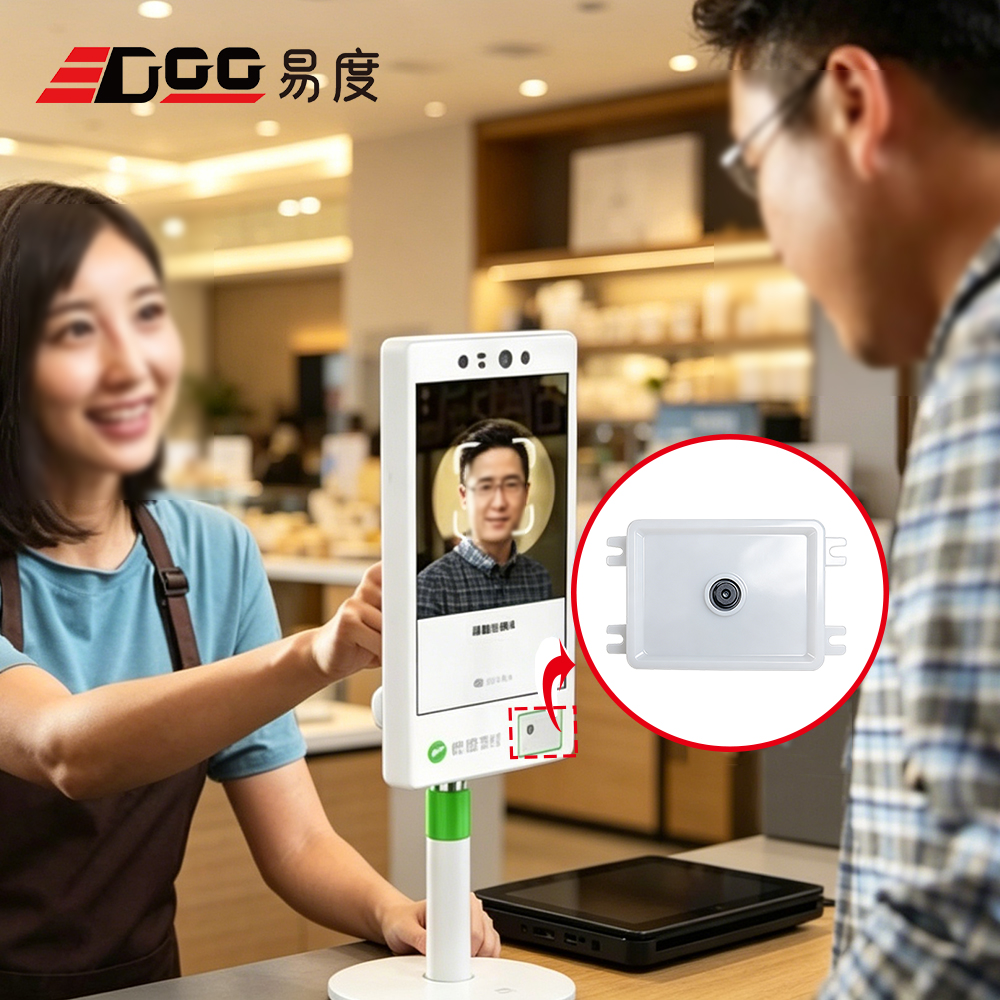
The EDOO MF22 is an embedded 2D barcode scan engine for kiosks, turnstiles and OEM device integration, with COM, PS/2 and USB interfaces.
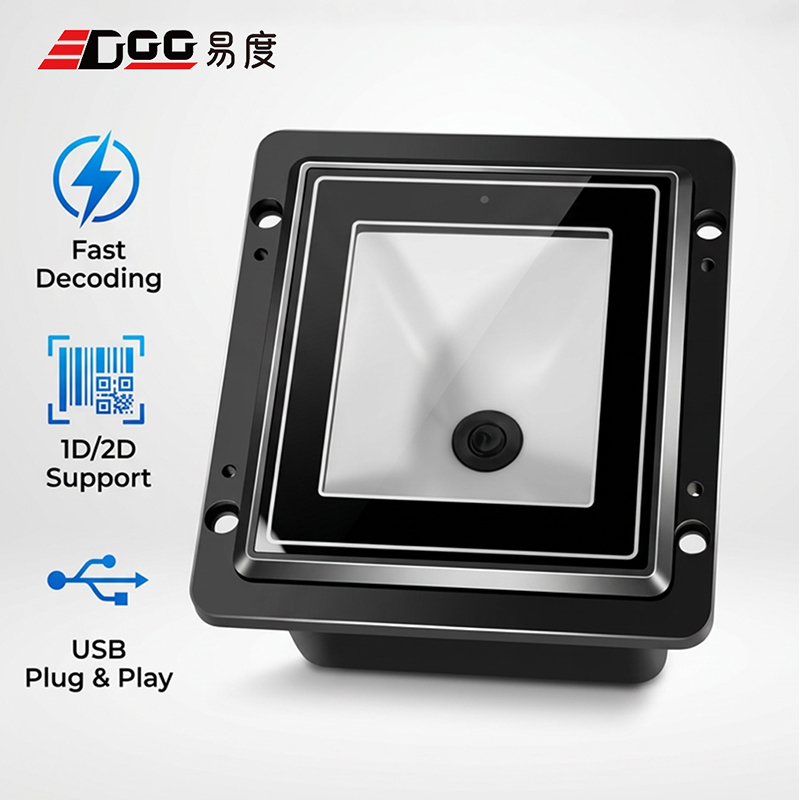
The EDOO F46 is an embedded 2D barcode scan engine for kiosks and turnstiles, with USB and RS232 interfaces and an 800 x 600 CMOS sensor.

EDOO High-Speed Embedded 1D 2D Barcode Scanner Module. High-performance scanning for kiosks, terminals and embedded devices. OEM/ODM customization services a...

EDOO M1-R Mini Industrial Barcode Scan Engine. High-performance scanning for kiosks, terminals and embedded devices. OEM/ODM customization services available.
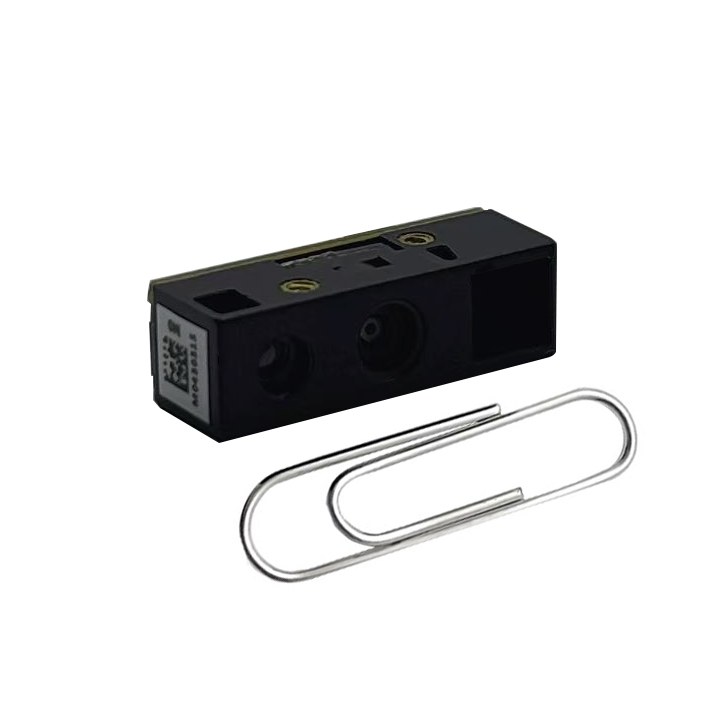
M1V2: a 21.5 x 8.5 x 7.1 mm 2D barcode scan engine with a 640 x 480 imager, white LED light, USB and TTL-232, reading paper and screen codes to 3 mil.

EDOO MF20-23P. High-performance scanning for kiosks, terminals and embedded devices. OEM/ODM customization services available.

EDOO M1V2. High-performance scanning for kiosks, terminals and embedded devices. OEM/ODM customization services available.
An EDOO scan engine is an imager and a decoder on one board: you get the module, the command set and an SDK, and you design the window, the bezel and the cable around it. Choose on three numbers - the depth you can give it, the interface your main board exposes and the smallest bar code you must resolve. The tables below only carry figures we publish on that model's own page or datasheet; where we have no number we say so instead of inventing one.
| Model | Size (L×W×H) | Sensor / smallest code | Interfaces | Power and current | Typical deployment |
|---|---|---|---|---|---|
| S70P-F | 21.5 × 7 × 10.5 mm, under 3 g | 1280 × 800 CMOS, 3.3 mil | USB (HID-KBW, virtual serial), TTL-232, 12-pin FPC | DC 3.2 - 3.6 V; 280 mA scanning, 40 - 45 mA standby | Shallowest housing in the range; paper labels, phone screens and DPM marks, -20 °C to +65 °C |
| M1V2 | 21.5 × 8.5 × 7.1 mm | 640 × 480 CMOS, 3 mil | USB (HID-KBW, virtual serial), TTL-232, 13-pin FPC (12-pin compatible footprint) | DC 3.3 V; 140 mA scanning, 11 mA standby (USB), 22 mA standby (UART) | The default micro engine: white LED illumination with red aiming, paper and screen codes, express lockers and ticket machines, -20 °C to +55 °C |
| M1W † | 21.5 × 8.5 × 7.1 mm | 640 × 480 CMOS, 3 mil | USB, TTL-232, 13-pin FPC (12-pin compatible footprint) | DC 3.3 V ±5%; 11 mA standby (USB), 22 mA standby (UART) | Battery-powered handhelds; screen codes behind protective film and at low brightness, -20 °C to +55 °C |
| M2A V2 † * | 23.5 × 6.9 × 10.6 mm | 640 × 480 CMOS, 3 mil | USB (HID-KBW, virtual serial), TTL serial | DC 3.3 V; 135 mA scanning, 10 mA (USB) / 22 mA (UART) standby | POS, PDA and tablets; 650 nm laser aiming for targeted reading, -20 °C to +50 °C |
| M0V2 † * | 21.5 × 8.5 × 7.1 mm | 640 × 480 CMOS, 5 mil | USB (HID-KBW, virtual serial), TTL serial | DC 3.3 V; 160 mA scanning, 40 mA (USB) / 60 mA (UART) standby | General-purpose mini engine; white LED illumination with red aiming, CE, FCC, RoHS and IEC 62471 light safety |
| M1-R | 21 × 9 × 7.1 mm | Dual-CPU decoding; sensor size not published - ask us | USB, TTL232 | Not published - ask us | Industrial reading: DPM QR codes engraved on metal, red backlight, passport OCR support |
| E5-32 | 38.8 × 22.5 × 19.5 mm | 640 × 480 CMOS, 1D and 2D | USB (HID / Virtual COM), TTL-232, RS-232 customizable | 115 mA operating, 3.2 mA standby | Battery devices and split-design panels (engine and interface board separate), -20 °C to 60 °C |
| Model | Size (L×W×H) | Sensor / smallest code | Interfaces | Power and current | Typical deployment |
|---|---|---|---|---|---|
| MF27 † * | 55.1 × 33.4 × 10.8 mm, 25 g | 640 × 480 CMOS, 5 mil, 60 frames/s | USB HID / USB Virtual COM / serial, RS232 optional; PS/2 in the attribute list | DC 5 V ±5%; 140 mA | Ultra-thin window in kiosks, turnstiles, access control and payment terminals; strong outdoor light |
| MF22 | 61.0 × 64.8 × 23.1 mm, 40 g with glass | 640 × 480 CMOS, 5 mil, contrast from 25% | USB, TTL232, RS232 (customization) | DC 5 V ±5%; 140 mA operating, 9.7 mA idle | Payment-code windows: 30 - 330 mm on a phone screen; FCC Part 15 Class B and CE EMC Class B, ESD ±14 kV air |
| MF26 † * | 64.5 × 60 × 30 mm, 30 g | 640 × 480 CMOS, 5 mil, contrast from 20% | TTL-232, USB, RS232 optional; 12-pin FPC | DC 5 V ±5%; 600 mA operating | E-payment codes (WeChat, AliPay) in vending, medical-insurance and customer-service terminals; -10 °C to 60 °C |
| MF21-23Z | 35.2 × 33.2 × 15.5 mm | 1D and 2D decoding; sensor size not published - ask us | USB, TTL232, RS232 customizable | Not published - ask us | Compact kiosk and turnstile opening: electronic sentinel, access control, express locker, ticket check |
| MF20-23P | 53.6 × 33.6 × 16.2 mm (all-in-one) | 1D and 2D decoding; sensor size not published - ask us | USB, TTL-232, RS-232 (custom) | Not published - ask us | AFC, access control, express delivery, ticket vending and display terminals |
| F46 | Flush-mount window; module outline on request | 800 × 600 CMOS, 300 scans/s | USB, RS232 | Not published - ask us | Outdoor kiosk and ATM screens, mobile-payment codes at a flush faceplate |
Reading the table. Every figure comes from the linked product page or from that model's datasheet. † means the number is in our datasheet and not yet on the product page - we can add it. * means the datasheet and the product page use different names for the same engine - M2A V2 is listed as M2, M0V2 as M0, MF26 as MF26P, and MF27 as MF27-23Z in the datasheet - so quote the marking on the module itself when you order. "Not published - ask us" means we do not have a verified figure to print; we will send the measured value with the datasheet instead of guessing.
M1V2, M1W and M0V2 are the same 21.5 × 8.5 × 7.1 mm module with the same 13-pin FPC pinout, so you can change how the scanner behaves without redrawing the housing or the cable. What differs is the light thrown on the code, how wide an area the imager sees, and how much decoding sits behind the sensor. M1-R is the industrial take on the same idea in a 21 × 9 × 7.1 mm body.
| Model | Illumination | Field of view | Smallest code | Decoding | Standby at 3.3 V | Choose it when |
|---|---|---|---|---|---|---|
| M1V2 | White LED, red LED aiming | 43° H × 32° V | 3 mil | EDOO decoding core | 11 mA USB / 22 mA UART | You want the general-purpose pick: white light reads colour-printed and glossy labels more evenly, and 3 mil covers small 2D symbols on a phone screen at 30 - 215 mm. |
| M1W † | Red LED | 68° H × 54° V - the widest | 3 mil | EDOO decoding core | 11 mA USB / 22 mA UART | The user cannot aim: a big screen or several codes at once inside the window, a code presented off-centre, or a shallow tunnel where working distance is fixed. |
| M0V2 † * | White LED, red LED aiming | 34° H × 26° V - the narrowest | 5 mil | Single decode chip | 40 mA USB / 60 mA UART | Cost matters and the code is close, printed and aimed at - a scanner head in a turnstile slot or a fixed label position. The narrow field rejects stray codes outside the window. |
| M1-R | Red backlight, industrial algorithms | Not published - ask us | DPM marks, damaged and distorted symbols | Dual-CPU architecture | Not published - ask us | Direct-part-marking QR engraved on metal, PCB or plastic, passport OCR, and outdoor bright light. 21 × 9 × 7.1 mm, USB and TTL232. |
White light versus red light is the choice people get wrong. Red illumination gives more contrast on a printed paper label and is cheaper to filter against ambient light; white illumination reads colour and glossy media, and is the safer default when the same terminal must read both a paper label and a phone screen. Field of view is the other trade: a wide field catches an unaimed code but puts fewer pixels on each bar, which is why the 3 mil models are the ones you specify for small symbols.
Phone-screen reading is where most embedded projects fail, so the models above are tuned for it in different ways: M1V2, M1W, M2A V2 and M0V2 are calibrated for low-brightness screens behind protective film; MF22 publishes a 30 - 330 mm window on a payment code; MF26 and MF27 are built for e-payment QR in a kiosk faceplate. For direct-part marking on metal, use M1-R (red backlight, industrial algorithms, DPM QR) or S70P-F, which resolves 3.3 mil on paper, screen and DPM at a 10% print contrast. If you must read a passport MRZ line, look at E5 passport MRZ and MF31 long distance.
Usually yes on the 12-pin side: M1V2, M1W, M0V2 and MF26 keep a 12-pin compatible pin order and 0.5 mm pitch, and MF26 and MF27 are explicitly designed to replace mainstream embedded engines in the same opening. Send us the connector of the engine you are replacing and we will map it pin by pin.
MF22 for a deep window with a published 30 - 330 mm reading range, MF26 or MF27 for a flush kiosk faceplate, and S70P-F or M2A V2 when only 10 mm of depth is available. Screen brightness, film and window tint change the result, so we test your own screen before recommending.
Yes - SDK, command set and datasheet with the quote, and sample units (1 piece minimum order on listed models) so you can integrate first. Tell us the host system (Windows, Android or Linux), the interface your board exposes and the opening size, and we confirm the fit.
Tell us the device you are building and the codes it must read - send an inquiry or reach us on WhatsApp +86-18050089566.
About

Products
Solutions
Support
News